The main objectives of the Wood Pellet Price Index are:
– To inform consumers about retail wood pellet prices and about their historical trends.
– To relate and compare wood pellet prices with other energy products in the domestic heating market.
– To strengthen the transparency and the outward orientation of the Greek market for solid biofuels, and for pellets in particular, through cooperation between the trading companies of the renewable bioheat sector.
– To provide a reliable source of information on retail wood pellet prices, for use by research and scientific bodies in their studies.
– To support policy makers and public administration services in decisions that promote a renewable energy source with a neutral carbon footprint, such as wood pellets.
A price index for wood pellets for domestic use
The Price Index covers wood pellets for domestic use, class A1 under ISO 17225-2 and certified under quality certification schemes for solid biofuels, such as the globally recognised, transparent and independent certification scheme ENplus® for wood pellets across the whole supply chain, from production to final delivery, which has just completed 15 successful years.
Findings on the average retail price for the period September 2023 – November 2025
The Price Index survey on the average retail price of class A1 wood pellets certified under the ENplus® scheme has been completed for October and November 2025. As Charts 1 and 2 show (15 kg bag and one tonne of product respectively), prices are close to the levels of September 2023 (6.84 €/bag nationwide and 6.86 €/bag in the high consumption regions), when the last major escalation was recorded. Pellet prices continue to rise after the end of the summer season, as a result of higher prices in the large foreign markets and of the inflationary pressures of recent years (Chart 3). Nationwide, the price is at the same level as in November 2023, while compared with one year earlier, November 2024, it is up by 59.22 €/tonne.
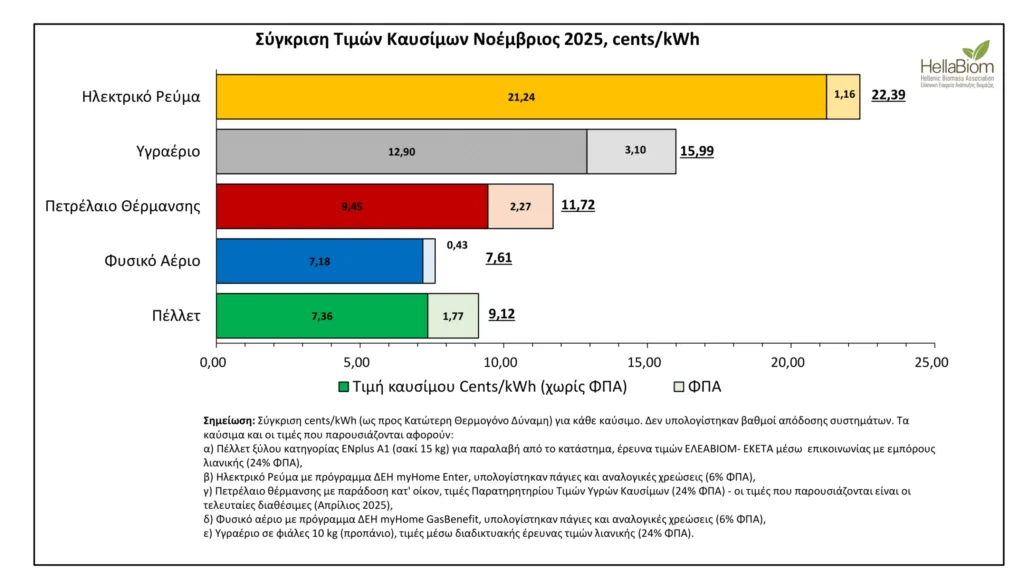
On the comparison of heating fuel prices for November 2025 (Chart 4), based on the net calorific value of each fuel, wood pellets come out at a competitive cost against other heating solutions, at 9.12 cents/kWh including 24% VAT. Prices for fossil fuels (heating oil, natural gas and LPG) have stayed low for the season because of the high temperatures recorded across Greece, something that is expected to change as the winter season progresses.
It is also worth noting that if VAT on wood pellets were at the same level as on natural gas, that is 6% instead of the 24% applied today, the fuel cost per thermal kilowatt hour would be almost the same for the two fuels. HellaBiom has a standing request to the competent ministries for pellets to be included in the reduced VAT rates, both for the sake of equal treatment between energy products and because pellets are a renewable fuel with a neutral carbon cycle that does not add to greenhouse gas emissions (GHG), as fossil natural gas does.
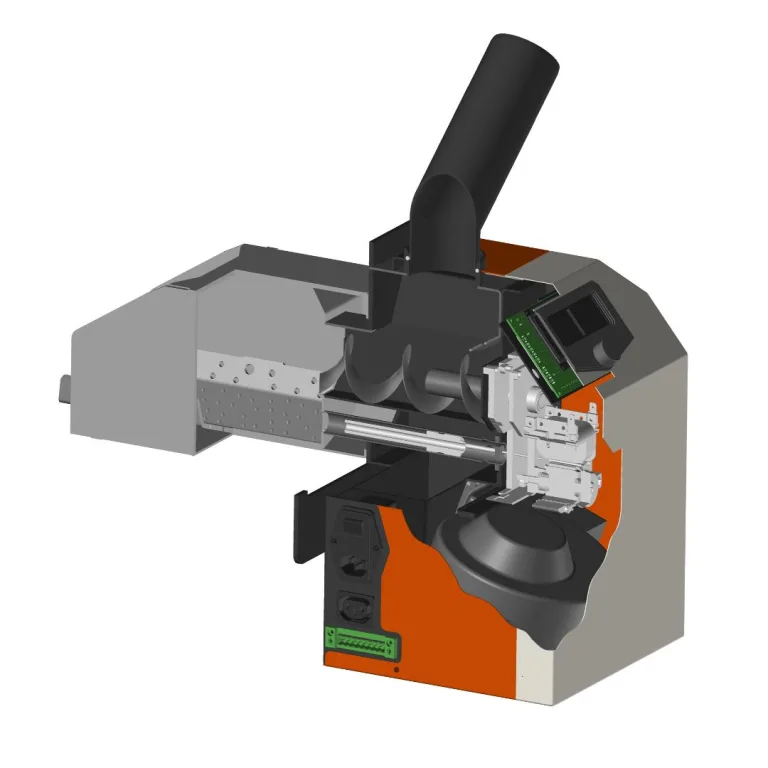
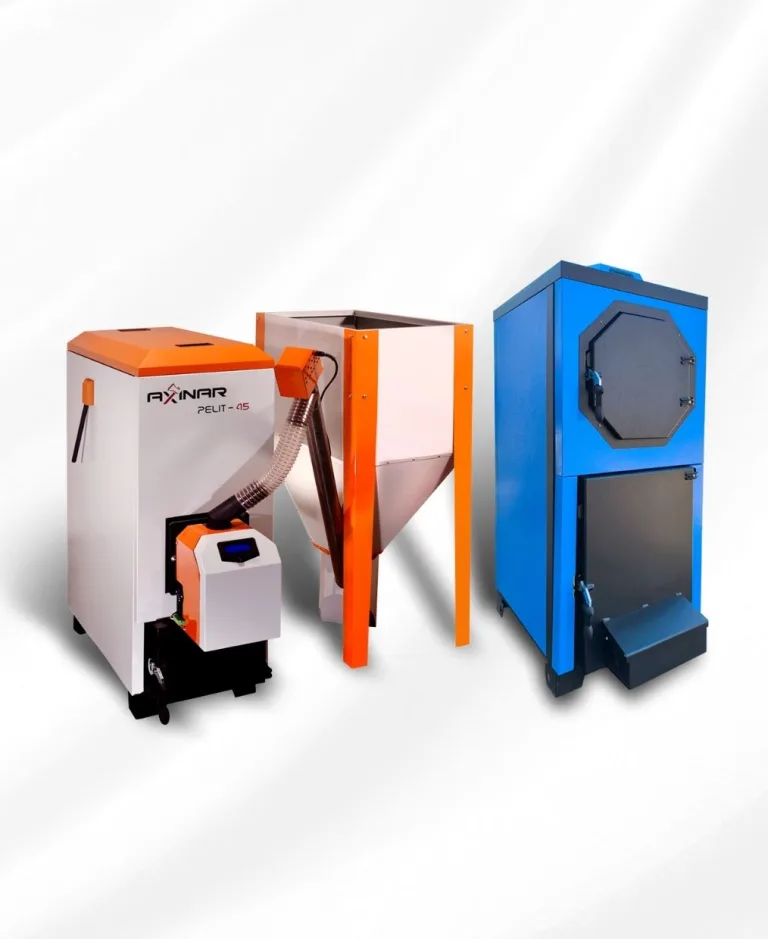
Wood pellets in modern appliances and heating systems offer a consistently reliable combination of affordable, environmentally friendly and renewable energy. The use and operation of wood pellet heating systems in Greece and abroad fits fully with a modern way of life and rests on advanced technical and aesthetic features that give consumers a complete experience of thermal comfort.
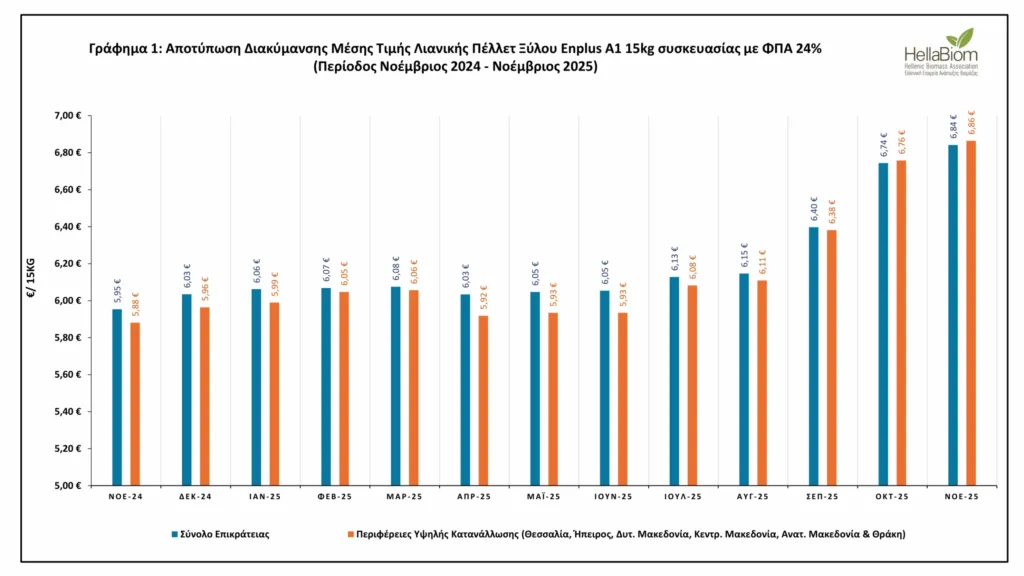
Wood pellet price index for the domestic market Chart 1: Average retail price of wood pellets | 15 kg bag including VAT | November 2024 – November 2025
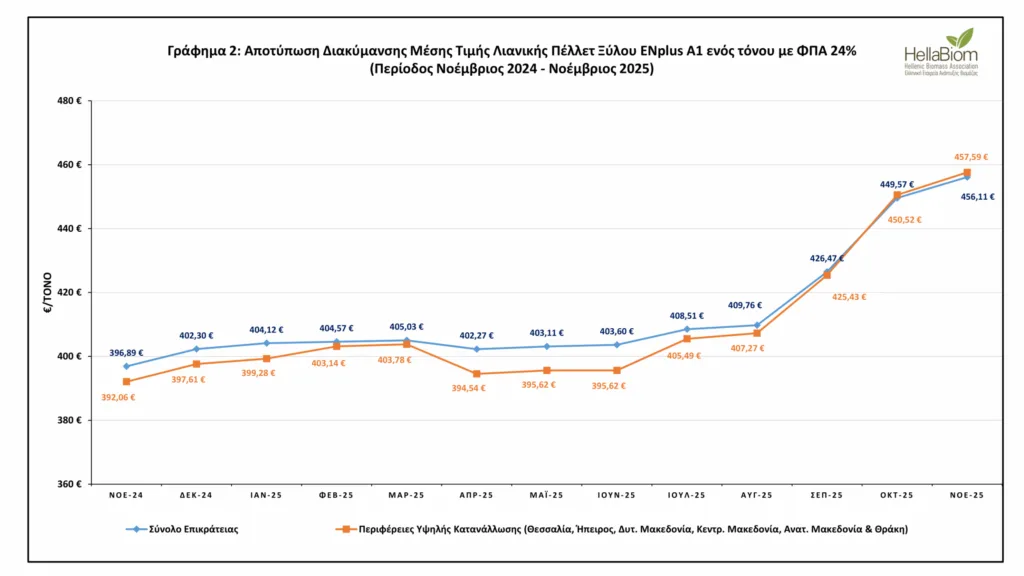
Chart 2: Average retail price of wood pellets | Converted to 1 tonne | November 2024 – November 2025
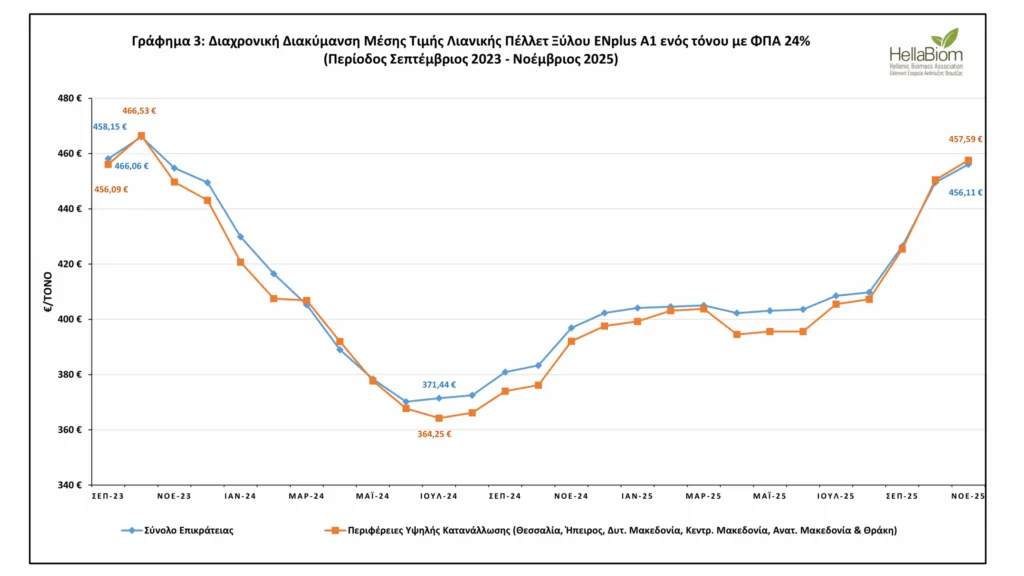
Chart 3: Movement of the average retail price of wood pellets over time | Converted to 1 tonne | November 2025