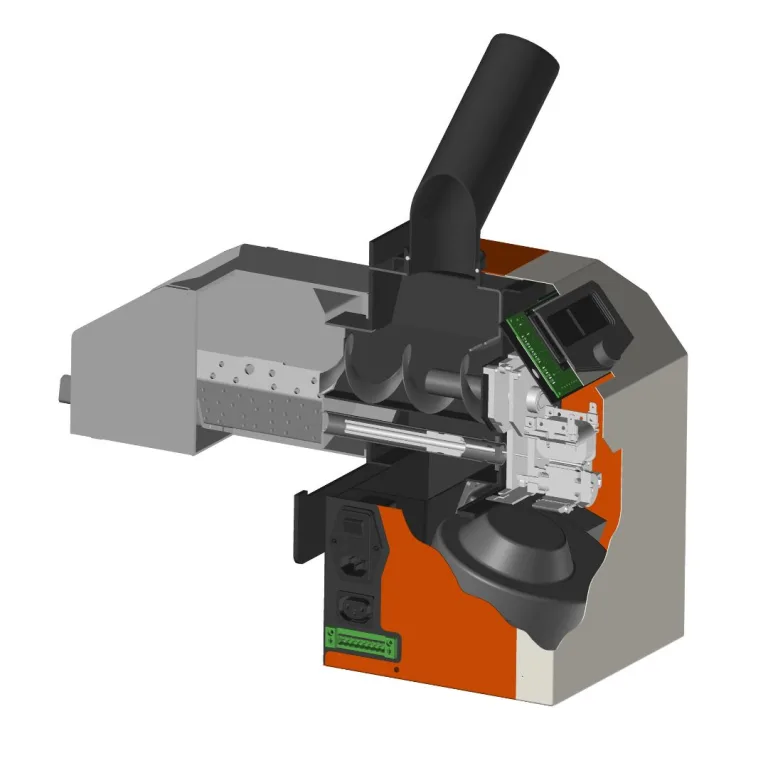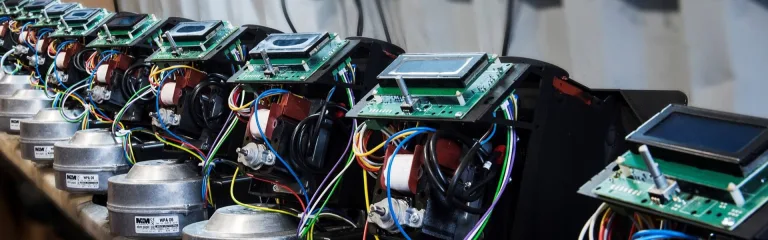
The electric water heater is one of the biggest silent consumers of electricity in a Greek home, 1,500 to 2,500 kWh a year, which means 350 to 600 € on the power bill for hot water alone. The AXINAR SolBox solves exactly that: it turns your existing electric water heater into a solar one, with no change of equipment, no grid connection and no permit.
In this guide you will see how it works, what the real specifications are, how many PV panels you need, how it compares with a solar thermal cylinder or a heat pump, and how many years it takes to pay back.
What SolBox is
The SolBox is a DC MPPT electronic controller, made in Greece (Thessaloniki), that feeds the electric element of your water heater directly from photovoltaic panels, with no inverter and no connection to the grid.
In practice: it takes the direct voltage (DC) from the PV panels on your roof and sends it straight to the 220 V element of the water heater, heating the water. What makes it unusual is that it runs as a stand alone off grid system: it is not a grid connected PV system, there is no net metering, no declaration is needed.
How it differs from the familiar solutions
- It is not a solar thermal cylinder: You do not fit a new tank with a built in solar circuit. You keep the one you have.
- It is not a grid connected PV system: It does not connect to the utility, it neither sells nor buys electricity, it needs no permit.
- It is not a heat pump: There is no compressor, no refrigerant, no outdoor unit. Simple electric heat from PV.
How the MPPT algorithm works
SolBox uses an MPPT P&O (Perturb and Observe) algorithm, the same one professional photovoltaic inverters use. The algorithm constantly reads the voltage and current coming from the panels and adjusts operation so it draws the maximum power available, even when the sun is low or the sky is overcast.
One real figure makes the difference: SolBox produces hot water even on 10 W from the panels. Where an inverter needs a minimum input to start (typically 100 to 150 W), SolBox puts even the smallest current to work on heavily overcast days or at sunrise and sunset.
Technical specifications
Electrical characteristics
| Parameter | Value |
|---|---|
| Input voltage (DC) | up to 70 V |
| Panels supported | up to 6 |
| Power per panel | 400-620 W |
| Total system power | up to ~3,500 W |
| Algorithm | MPPT P&O |
| Standby consumption | Minimal (draws nothing from the grid) |
Mechanical characteristics
| Dimensions (W×D×H) | 14.5 × 9.5 × 14.5 cm |
| Weight | 2.5 kg |
| Housing | Metal with powder coating |
| Cooling | Passive (no fan) |
| Mounting | Wall mounted, next to the water heater |
Download the full SolBox technical brochure as a PDF: SolBox brochure (PDF, in Greek).
Is it compatible with your existing water heater?
Almost certainly yes. SolBox works with standard electric water heaters:
- Capacity: 100 L to 500 L
- Element type: standard 220 V, rated 2,000 to 4,500 W
- Replacement needed: none, you use the same tank
- Extra pipework: none, only an electrical connection
In effect, any electric water heater sold on the Greek market (Elco, Nobel, Thermogas, Glem, Ariston, Cordivari) is compatible. If you are in any doubt, use the SolBox Configurator to confirm.
How many PV panels do you need?
It depends on hot water demand and on location. Here is indicative sizing for Greece (southern Greece ~1,700 kWh/kWp a year, northern Greece ~1,400 kWh/kWp a year):
| Household | Tank | Panels | Power | Annual yield (southern Greece) |
|---|---|---|---|---|
| 1-2 people | 100-150 L | 2 × 500 W | 1,000 W | ~1,700 kWh |
| 3-4 people | 150-200 L | 3-4 × 500 W | 1,500-2,000 W | ~2,500-3,400 kWh |
| 5+ people / holiday home | 200-300 L | 5-6 × 500 W | 2,500-3,500 W | ~4,250-5,950 kWh |
Since a 200 L tank needs about 4 to 5 kWh to heat fully from 15°C to 60°C, a three panel installation comfortably covers the daily demand of a household of three to four people in Greece from March to October.
Installation, step by step
Typical installation time: 3 to 5 hours. No batteries, no inverter and no connection to the distribution board of the grid operator are needed.
- Mount the PV panels on the flat or pitched roof with a standard mounting system (facing south, tilt 30 to 45°). If you need them, the Axisol photovoltaic mounts by AXINAR are Magnelis coated.
- Run the DC cabling from the panels to the SolBox (a vertical route to the ceiling where the water heater sits).
- Mount the SolBox on the wall next to the water heater (a space of 20 × 15 cm is enough).
- Connect the output to the element of the water heater.
- Connect the 220 V AC backup supply from the existing electrical line of the water heater (for days without sun).
- Set the setpoints from the display or the mobile app.
The installer must be a certified SolBox technician or a licensed electrician with basic PV knowledge. AXINAR has a network of certified installers.
Permits and declarations, what is needed?
Nothing. Genuinely nothing.
Because SolBox is off grid (it does not connect to the distribution network), it does not fall under net metering or self generation legislation. You do not need:
- A net metering declaration to the grid operator
- An installation permit
- Insurance for grid equipment
- Technical approval from a supplier
- To join the waiting list for small PV systems (currently 12 to 18 months)
The only administrative check is whether you are in a protected building (listed, or in a traditional settlement), where the municipality may have rules about how panels look on the roof.
SolBox vs a solar thermal cylinder
The solar thermal cylinder with hot water collectors is the classic choice in Greece. How does it compare with SolBox?
| SolBox + PV | Solar thermal | |
|---|---|---|
| New tank needed? | No, you use the existing one | Yes, replacement |
| Plumbing work? | None | Full pipework connection |
| Space on the roof | Panels up, tank stays below | Collectors and tank both up |
| System life | 12+ years (controller) | 15-20 years (collectors) |
| Winter performance | Good (10 W is enough) | Low (needs electricity) |
| App control | Yes | No |
| Risk of leaks or damage | None (electrical) | Yes (pipework) |
The main argument for SolBox is zero plumbing work, if you already have a water heater, SolBox is added without touching a single pipe.
SolBox vs a heat pump water heater
The heat pump water heater is very efficient (COP 3 to 4) but it comes with costs and limits:
| SolBox + PV | Heat pump | |
|---|---|---|
| Energy source | Free, from the sun | Electricity from the grid |
| COP | ~1 (but the input is free) | 2.5-4 |
| Electricity bill | Practically zero | 25-35% of conventional |
| Noise | None | ~45-55 dB (compressor) |
| Space | PV on the roof plus SolBox | A larger tank (needs ventilation) |
| Compressor life | N/A | 10-12 years (costly replacement) |
Cost and payback
For a typical installation for three to four people (200 L tank, 3 × 500 W panels):
- SolBox controller: contact us for a current price
- 3 × 500 W PV panels: ~330-400 €
- Mounting systems: ~100-150 €
- Cabling and materials: ~80-120 €
- Installation (3 to 5 hours): ~200-300 €
The real benefit: A household that uses around 2,000 kWh a year for hot water at 0.20 €/kWh (the average domestic price in 2026) saves ~400 € a year. Payback usually comes in 4 to 6 years, depending on the size of the installation and the price of electricity.
What happens when there is no sun?
SolBox has two independent setpoints:
- Solar setpoint (typically 65 to 85°C), which aims for the maximum temperature whenever there is sunshine
- Backup source setpoint (typically 45 to 50°C), which switches on the 220 V mains supply only if the water falls below it
In practice, after three or four sunny days the water sits at 80°C and you need no mains power at all. If it clouds over for two or three days and the water drops below 45°C, the heater carries on as normal on mains electricity. You are never left without hot water.
SolBox also has four independent 24 hour programmes: you can set different setpoints by day and hour, for example 45°C at night, 70°C in the morning and 60°C in the evening.
Winter, does it work under cloud?
Yes, within limits. In Greece, even the darkest winter months (December and January) give 2 to 3 kWh/kWp a day on average. So a 1.5 kWp installation (3 panels) produces around 4 to 5 kWh a day, enough for about 120 L of hot water from 15°C to 60°C.
On winter days with full cloud cover, SolBox will catch even the 10 to 50 W the panels deliver, warm the water a little, and if the temperature drops below the threshold the mains supply steps in to top it up.
Frost protection
SolBox has built in frost protection: if the temperature falls to 5°C, the system switches on and warms the water slightly so the pipes do not freeze. It switches off automatically at 8°C. Genuinely useful for holiday homes that are empty in winter.
Monitoring through the mobile app
SolBox connects to 2.4 GHz WiFi and comes with an iOS and Android app. In the app you see:
- Energy produced (live and historical)
- Water temperature in real time
- Savings statistics
- Remote setting of setpoints and programmes
- Notifications for alert conditions
A 10 year warranty
The SolBox controller carries a 10 year warranty, from AXINAR in Thessaloniki. Expected service life: 12+ years. The PV panels come with their own 20 to 25 year performance warranty from the manufacturer. Service is handled in Greece (nothing has to be shipped abroad).
Who SolBox makes sense for
Take it if:
- You have an existing electric water heater in good condition
- You have access to a flat or pitched roof with sun
- You want to avoid the plumbing of a solar thermal system
- You want to avoid the paperwork and the net metering waiting list
- You have a holiday home that needs hot water without large standing charges
Perhaps not suitable if:
- Your roof is heavily shaded (trees, neighbouring buildings)
- You are planning full net metering for the whole house, in which case it is better to include the water heater there
- You already have a solar thermal system that works well
Frequently asked questions
Is SolBox compatible with my existing electric water heater? +
Does it need a permit or a declaration to the grid operator? +
What happens when there is no sun? +
How many PV panels do I need? +
How many years does SolBox take to pay back? +
How long does installation take? +
Does SolBox go above 70°C? +
Do I need batteries? +
Does it work at night? +
Does it affect my existing water heater? +
Does it have CE marking and certification? +
How much does SolBox cost fully installed? +
Conclusion
If you have an electric water heater and a sunny roof, SolBox is the fastest way to cut 300 to 500 € a year off the power bill, with no paperwork, no plumbing and no change of equipment. Installed in an afternoon, a 10 year warranty, made in Greece.
Turn your water heater into a solar one with SolBox
Manufactured at the Oraiokastro industrial park in Thessaloniki, a network of certified installers across Greece, a 10 year warranty. Use the configurator for an exact quotation or ask for one directly:
SolBox ConfiguratorRequest a quotation