In CNC metal processing, two machines dominate: the mill and the lathe. Both can produce precise parts, but in very different ways. Choosing the right one for your part makes the difference in cost, speed, and quality.
The Basic Difference
- In turning: The workpiece rotates, the tool stays still. Ideal for cylindrical, rotational parts.
- In milling: The tool rotates, the workpiece stays still (or moves on linear axes). Ideal for flat surfaces, holes, engravings, hexagonal geometries.
When Milling
- Prismatic parts: boxes, plates, molds, cabinets
- Multi-diameter holes: especially where not central
- Surface patterns: notches, engravings, pockets
- Threads on flat surfaces
- Prototypes & mold making: plastic molds, metal matrices
- 3-axis complex geometries
When Turning
- Shafts, pins, screws: anything cylindrical
- Flanges, discs, caps: circular with central axis
- Threads on screws, bolts, adapters
- Internal drilled cavities (bushings, sleeves)
- Large batches: lathe is faster on repetitive cylindricals
The Combination: Live Tooling
A modern CNC lathe with live tooling (like the Haas ST-15Y) can perform transverse milling on a cylindrical part too, e.g. perimetric hole, hexagonal socket, code engraving. This reduces setups from 2 to 1, dramatically reducing cost for complex parts.
Machine Comparison
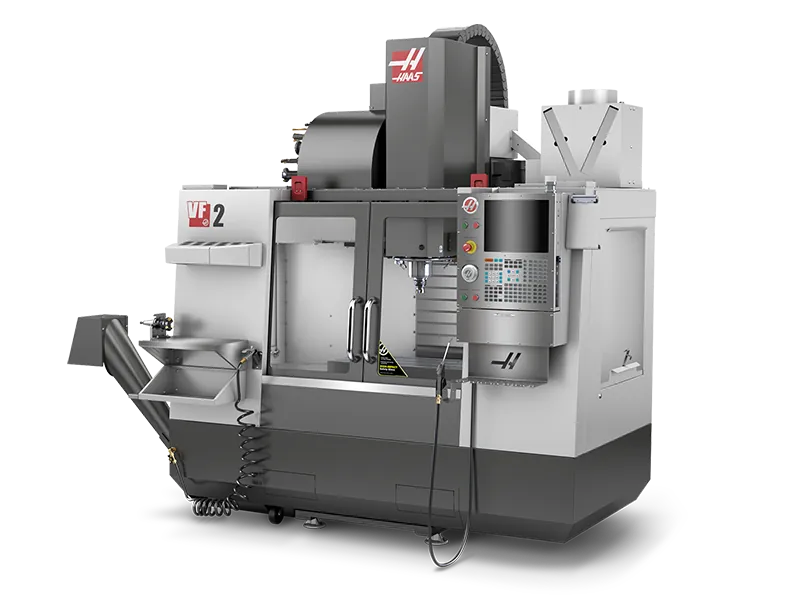
| Haas VF-2 (mill) | Haas ST-15Y (lathe) | |
|---|---|---|
| Work envelope | 762×406×508mm | Ø254 × 559mm |
| Precision | ±0.02mm | ±0.02mm |
| Ideal parts | Prismatic, complex | Rotational |
| Live tooling | – | Yes (4-axis) |
AXINAR operates Haas VF-2 CNC mill for prismatic geometries, molds, and complex parts where turning is insufficient.
- Precision ±0.02mm
- Steel, stainless, aluminum, brass
- Prototypes, molds, small series
Request a Quote for Your Project
Send us sketches, CAD drawings, or a description of your project, and we’ll respond within 24 hours with a technical estimate and indicative cost. We cover everything from prototypes to mass OEM production.
See also all AXINAR metal processes.