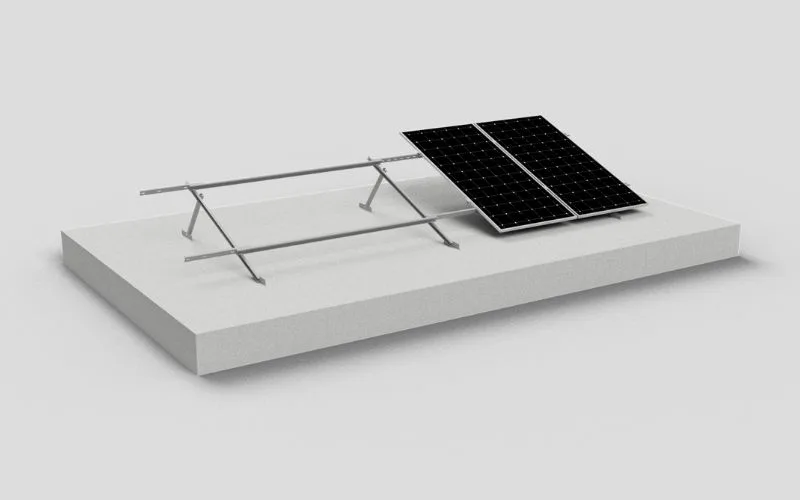
The tilt angle of a photovoltaic panel significantly affects annual production, but not the way many think. A 5° deviation from optimal angle, in Greece, typically costs only 1–2% of annual production. So the “perfect” tilt is rarely what really matters, often adaptation to building or purpose is more important.
Basic Rule: Geographic Latitude
The simple empirical rule: optimal angle ≈ geographic latitude (if you target maximum annual production). For Greece:
- Crete (Heraklion 35.3°N): Optimal ≈ 28–30°
- Athens (37.98°N): Optimal ≈ 30–32°
- Larissa, Thessaly (39.64°N): Optimal ≈ 32–33°
- Thessaloniki (40.64°N): Optimal ≈ 32–34°
- Ioannina, Epirus (39.66°N): Optimal ≈ 32–33°
- Xanthi, Thrace (41.14°N): Optimal ≈ 33–35°
Why Not Exactly the Geographic Latitude
In practice, optimal angle is slightly less than the geographic latitude (≈ geographic latitude minus 3° to minus 5°). This is because:
- Summer has more production hours (longer days)
- Atmospheric clarity is greater in summer, more radiation
- Smaller tilt better uses the higher summer sun position
Effect of Deviation from Optimal
| Deviation from optimal angle | Annual production loss |
|---|---|
| ±5° | < 1% |
| ±10° | 2–3% |
| ±15° | 4–6% |
| ±20° | 7–10% |
| 0° (horizontal) | 10–15% (depending on zone) |
This shows why manufacturers, like AXINAR on Terrasol 1V/2V, provide adjustable tilt: it allows adaptation to specific installation optimum, but also adaptation to space constraints.
Special Cases
Winter Use (heating with heat pump)
If you use electricity mainly for heating, optimize angle for winter: geographic latitude + 10°. In Athens this means ≈ 48°, much more “upright” installation. Increases winter production by 15–20%.
Summer Use (air-conditioning)
Conversely, if you target covering summer AC: geographic latitude − 15°. In Athens ≈ 23°. Increases summer production by ≈ 8%.
East-West Paired Arrangements
In agrivoltaic installations with East-West orientation, tilt is typically lower (15–25°) and the system gives more uniform daily production curve, ideal when electricity is self-consumed in the agricultural operation.
Practical Conclusions
- For net metering (self-consumption during the day): choose optimal annual angle (geographic latitude − 5°)
- For DHW boiler or SolBox (thermal storage): you can be more flexible with tilt, self-consumption doesn’t depend on angle
- For battery storage systems: optimize for annual production
- For net billing (selling all production): always optimal annual
Terrasol 1V allows tilt adjustment to the optimal for specific location, Athens, Thessaloniki, Crete have different ideal angles.
- Adjustable angle 10–35°
- Galvanized Greek manufacture
- Free orientation choice
Request a Static Study & Quote
Send us your project basics, square meters, roof or ground type, zone, PV capacity, and we’ll respond within 24 hours with a recommended mounting system and free static study.
See bifacial PV, or all AXINAR ground mounts.